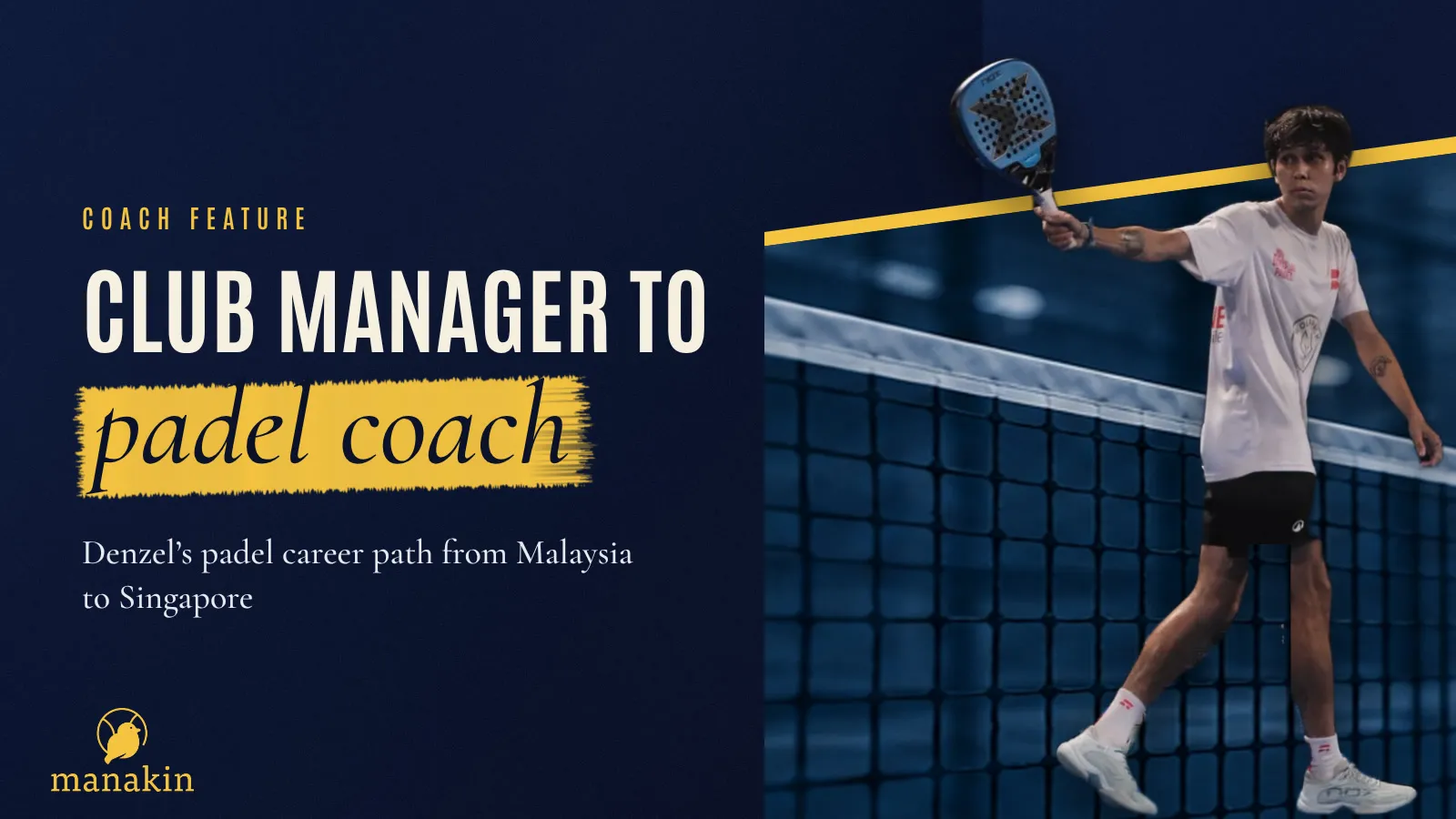
Most padel coaches are expected to arrive through the playing route. Malaysian coach Denzel Manuel did not. He began as a part-time receptionist, ran a club, trained through the night, and is now preparing to coach in Singapore.
His story answers a question many aspiring coaches ask: how do you become a padel coach when you have not come through a professional player programme? In his case, the answer was a mix of club access, mentors, certification, and a lot of time spent with other players.
In this article, we explore Denzel’s journey into professional padel coaching and what his experience reveals about alternative pathways into the profession and the role of clubs in developing coaching talent.
Looking for your own coaching break? Browse padel coaching jobs on Manakin.
Can You Build a Padel Coaching Career Without a Professional Player Background?
Denzel’s first job in the sport was on the front desk at ASCARO Padel & Social Club in Kuala Lumpur, Malaysia. He had never heard of padel and was not planning a career in it. The job simply put him in a club every day, meeting players and seeing how a facility runs.
About three months in, he was offered the chance to become club manager at Joy Division Padel before it opened. That meant taking charge of daily operations while getting to know the people who would become the club’s regulars.
Padel was still young in Malaysia then. Handling bookings, complaints, and member questions taught him what players actually want from a club, which later shaped how he coached.
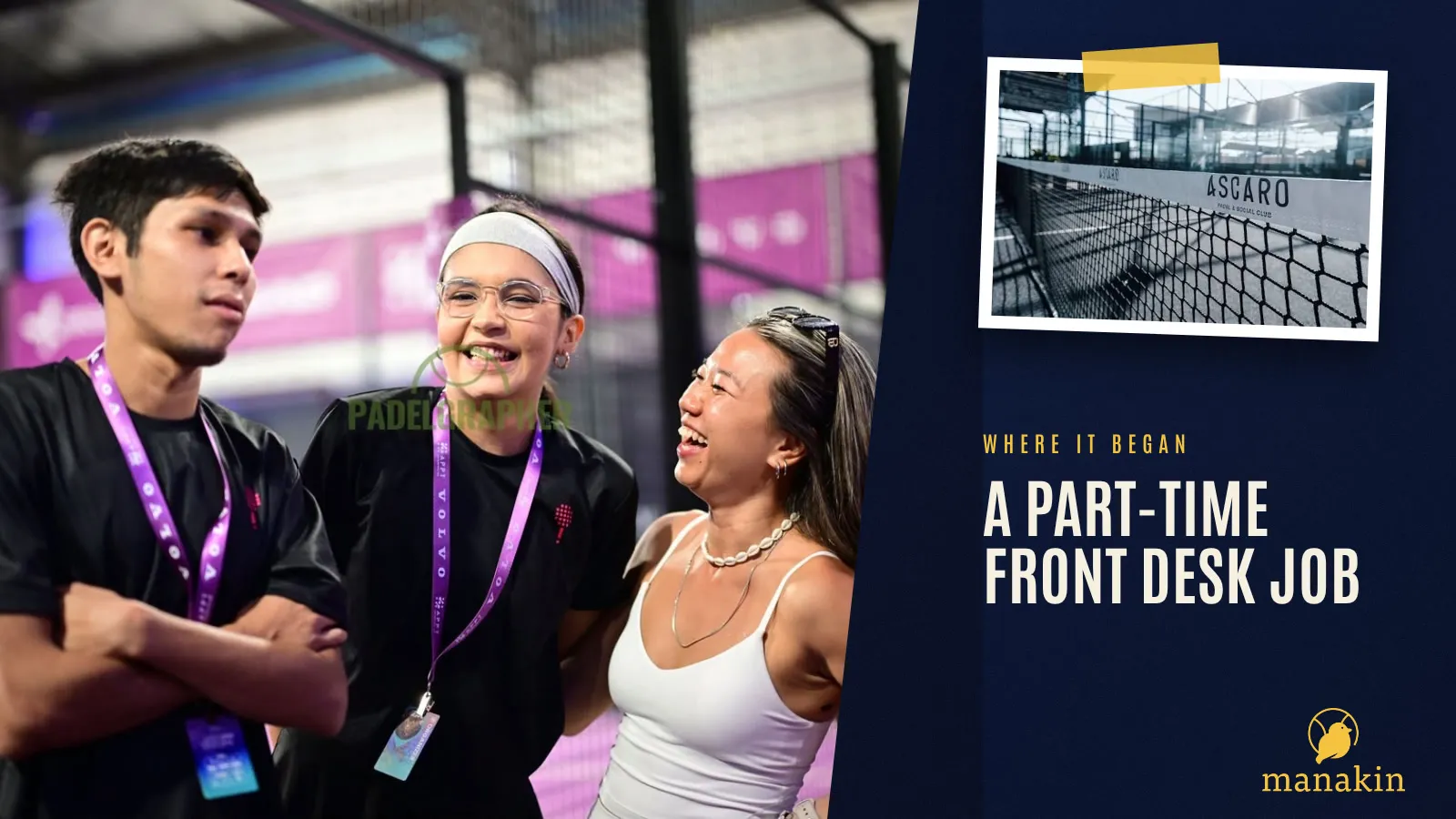
Denzel’s first job in padel was a front desk role at Ascaro, a club he had no plans to build a career around.
After Hours: Building the Foundation for Coaching
Managing a club meant long hours for Denzel, often from 7am to midnight, six days a week. Despite spending most of his day surrounded by padel, his responsibilities left little time to develop his own playing ability.
With permission from the owners of Joy Division Padel, Denzel began using the courts after closing, regularly playing with friends from midnight until 3am. These sessions allowed him to develop his technical understanding of the sport through consistent practice and match experience, eventually progressing to intermediate-level tournaments.
While Denzel did not follow a conventional player development pathway, building his own playing foundation was an important step towards coaching. His experience demonstrates that aspiring coaches need not come from professional playing backgrounds, but developing a sound understanding of the game remains essential.
Equally important was the club’s willingness to provide access to its facilities, demonstrating how organisations can support the development of potential coaching talent through opportunities that extend outside formal training programmes.
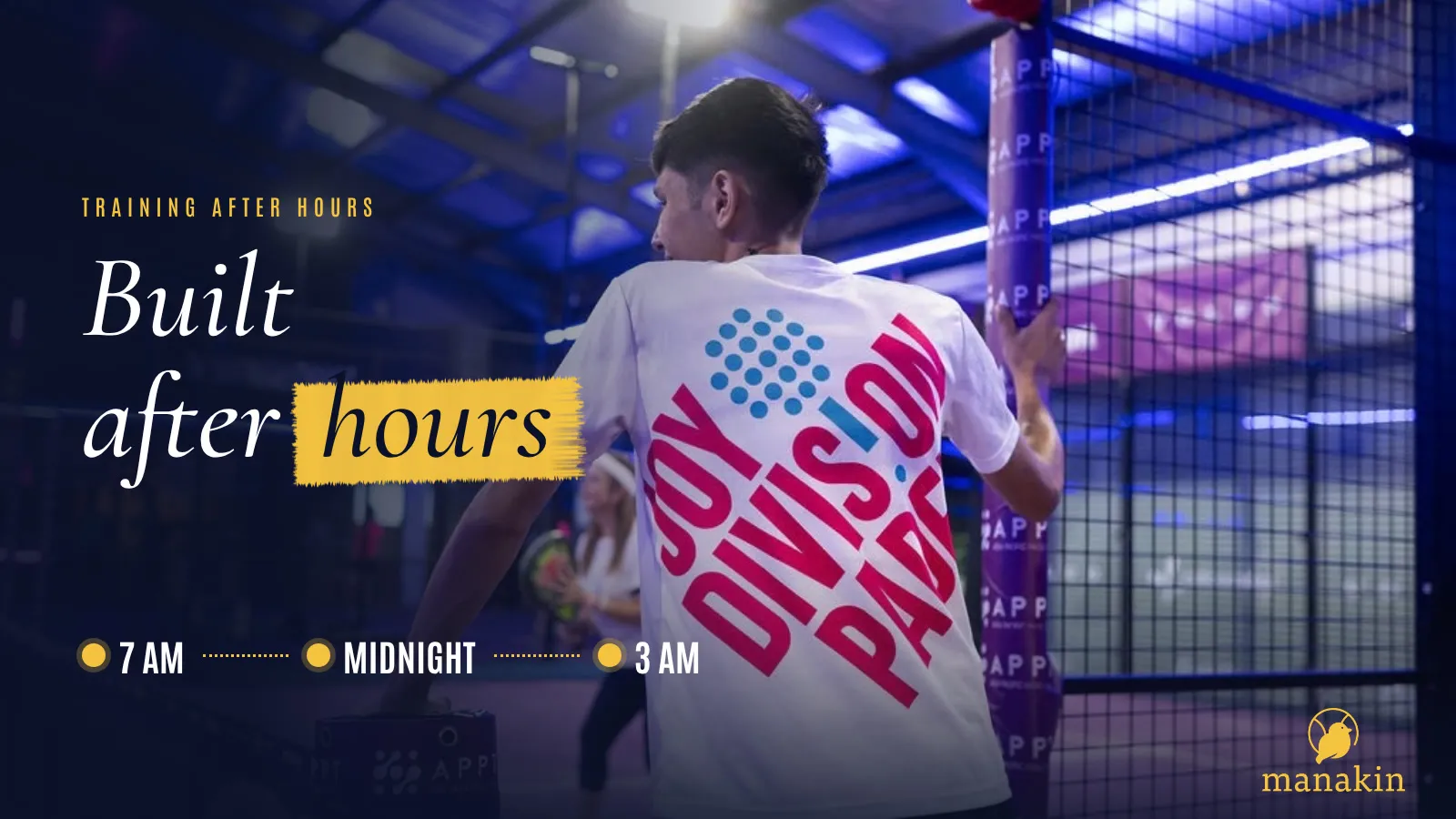
The 7am-to-midnight shifts were followed by midnight-to-3am practice on the club’s courts.
From Club Management to Professional Coaching
About a year into his role, the owners of Joy Division Padel encouraged Denzel to pursue coaching. He began working with beginners, introducing them to the padel fundamentals, from grip and basic strokes to understanding the game.
At the time, Denzel had yet to obtain his coaching certification, something he was transparent about with his students. Despite balancing his responsibilities at the front desk, he accumulated approximately 80 hours of coaching in his first month alone.
The transition from playing to coaching also required a different set of skills. Beyond technical knowledge, effective coaching demands clear communication, the ability to identify individual areas for improvement, and an understanding of how to adapt instruction to different players.
Each stage of Denzel’s career contributed to his development as a coach.
Denzel’s progression also highlights an opportunity for clubs to recognise and develop coaching talent within their existing teams. Employees working in club operations often have firsthand knowledge of the sport, an understanding of their members, and familiarity with the club’s environment. With the right mentorship, training, and opportunities for professional development, clubs can build their coaching workforce internally rather than relying exclusively on external recruitment.
Why mentorship and certification both matter for new coaches
A significant turning point in Denzel’s coaching career came with the arrival of Dany Bressel at Joy Division Padel, where he subsequently established a coaching team under Bressel Academy. Having initially welcomed Bressel to the club in his capacity as manager, Denzel would later join his team as a coach.
Working alongside experienced coaches gave Denzel greater exposure to the professional aspects of coaching, from lesson planning and session structure to communicating effectively with students. He also obtained his formal coaching certification, complementing his practical experience with a more structured understanding of coaching methodology.
His progression highlights the importance of combining practical experience, professional mentorship and formal education in developing competent coaches. While certification provides a recognised foundation, mentorship offers valuable exposure to the realities of coaching. Neither should be treated as a substitute for the other, particularly in an industry where playing ability is often mistaken for coaching competency.
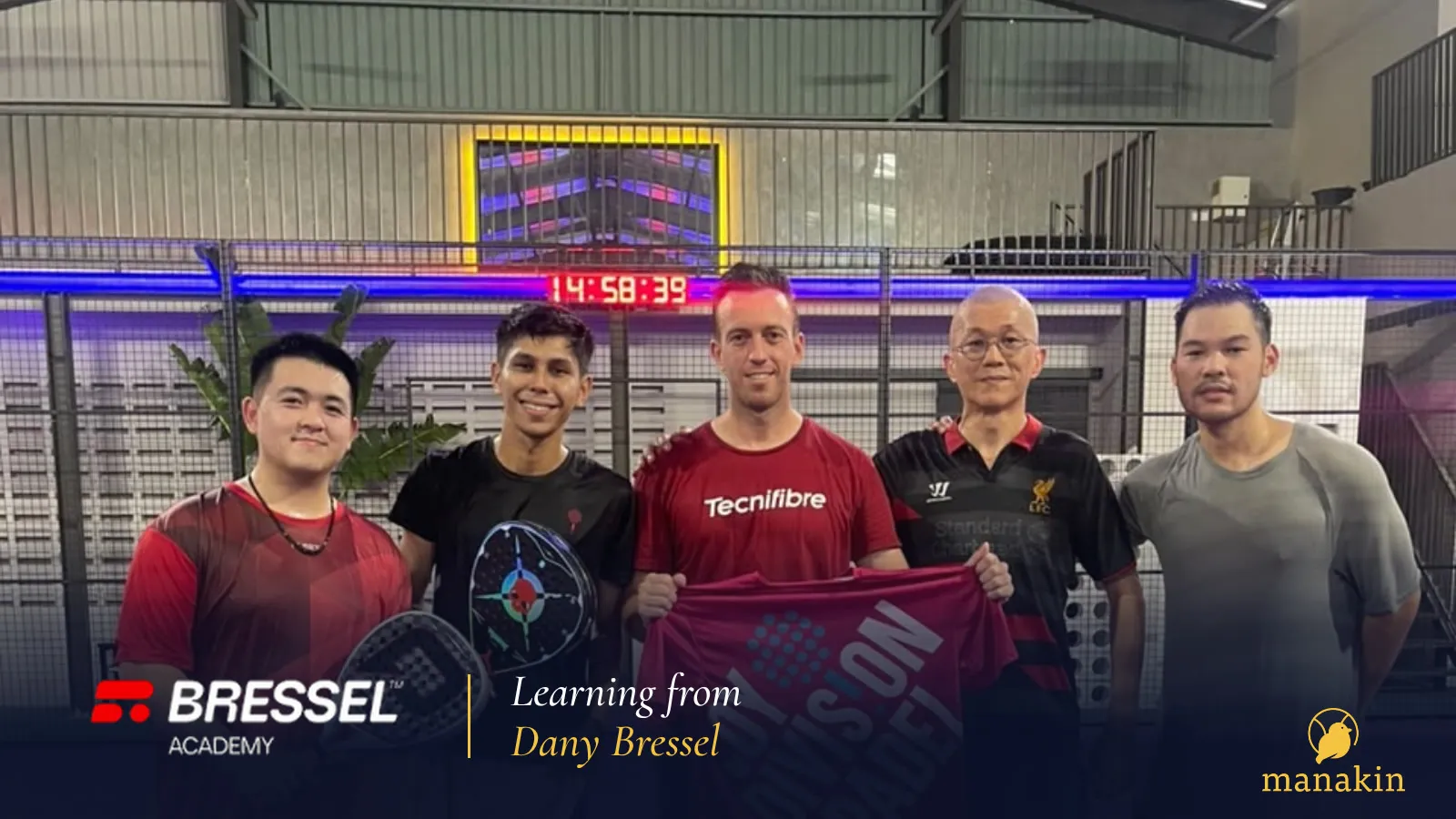
Denzel joined Dany Bressel’s coaching team at Joy Division Padel, where he continued his certification.
Find coaching talent through Manakin.
“The hard work is off the court”: Building a Coaching Reputation
For Denzel, building a career in coaching requires more than technical expertise. Establishing trust, developing relationships with players, and taking a genuine interest in their progress are equally important. His experience as a club manager gave him an advantage in this regard, having already built relationships with members, some of whom would eventually become his first students.
He encourages aspiring coaches to become active members of their padel communities, rather than limiting their involvement to formal coaching sessions.
His advice includes:
- Participate in social games, not just competitive matches.
- Engage with players across all skill levels.
- Take a genuine interest in each student’s development.
- Build trust and credibility through consistent coaching, allowing referrals to develop organically.
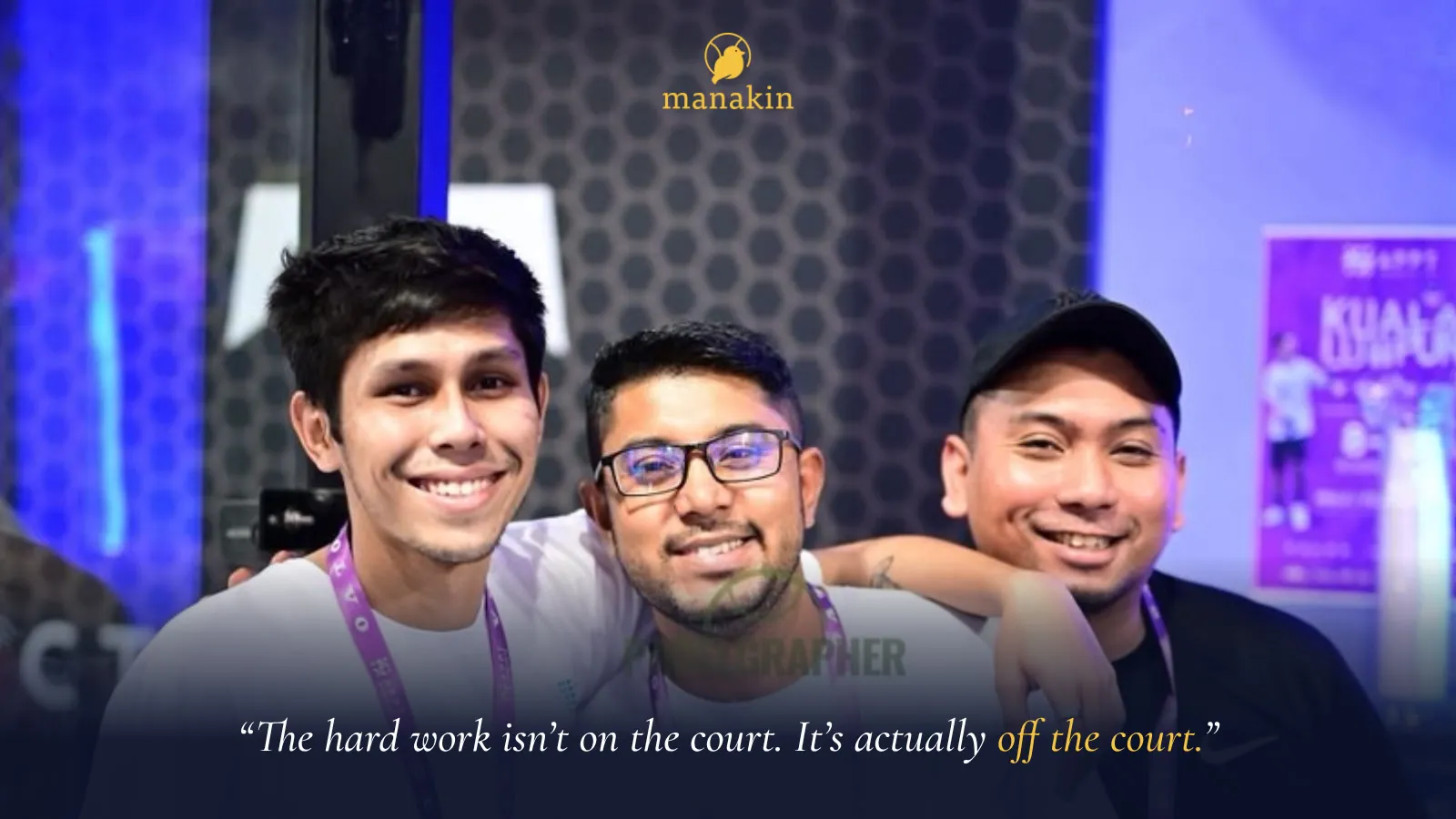
Denzel credits friendships across the padel community as a large part of his coaching career.
Professional Reputation Creates International Coaching Opportunities
After nearly three years at Joy Division Padel, Denzel is preparing to continue his coaching career in Singapore. Although his new club has yet to be announced, the opportunity came through recommendations from Singaporean students he had previously coached in Malaysia.
His appointment demonstrates the value of building a strong professional reputation. While qualifications and technical expertise establish credibility, the trust coaches earn from their students can be equally influential in creating new opportunities, particularly for those looking to develop their careers internationally.
For Denzel, the move marks another milestone in a career shaped by practical experience, mentorship and the professional relationships he has built along the way.
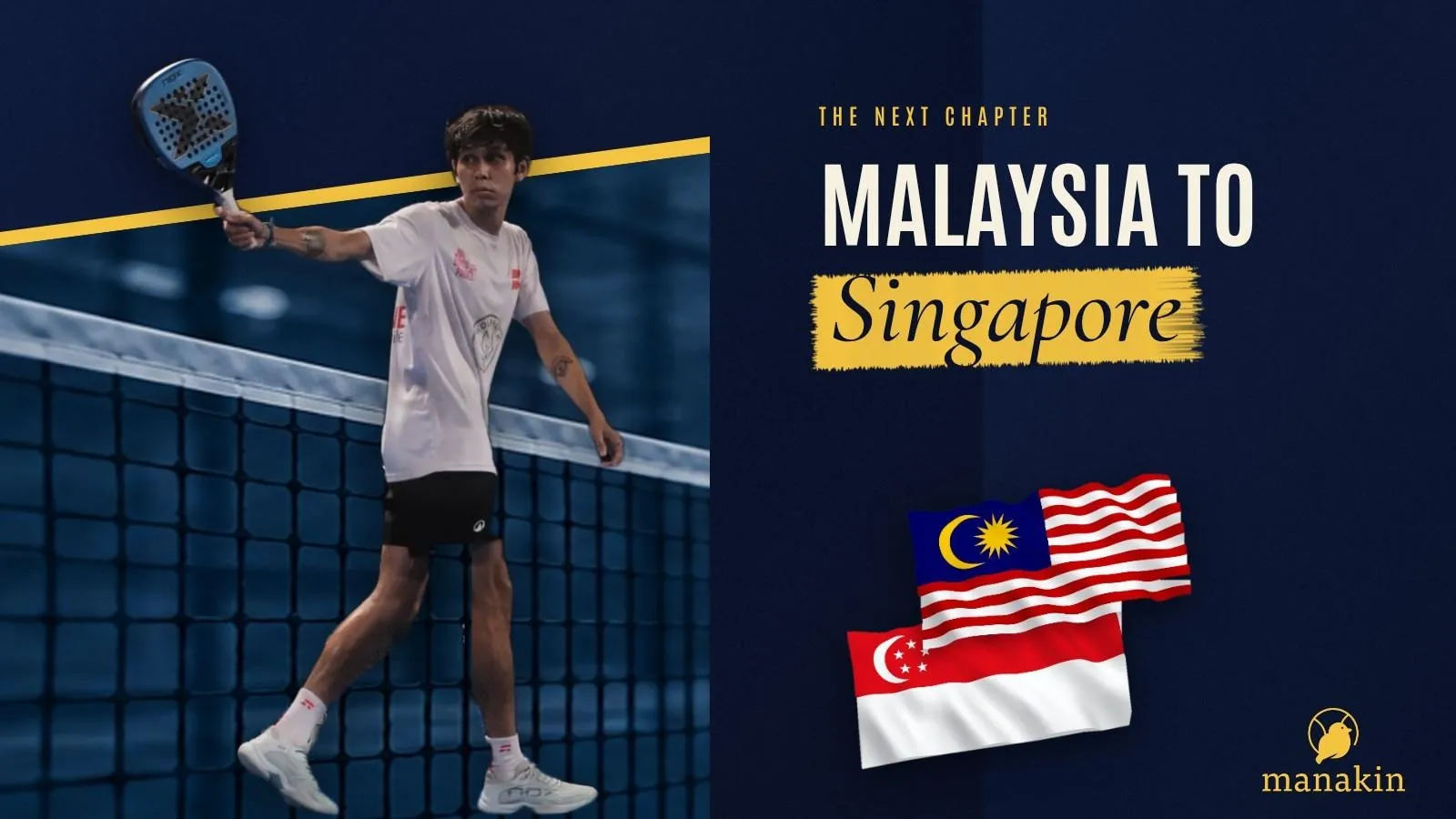
Denzel is preparing to take his coaching career from Malaysia to Singapore.
Thinking about coaching overseas? Create your coach profile on Manakin.
The Role of Padel Clubs in Developing Homegrown Coaching Talent
Denzel credits much of his professional development to the support he received at Joy Division Padel, from its owners and coaching team to the players who contributed to his growth. Access to facilities, opportunities to gain practical experience, and mentorship from established professionals all played an important role in his transition into coaching.
His experience highlights an opportunity for clubs to identify and develop coaching talent within their existing workforce. Staff involved in club operations often possess valuable knowledge of the sport, its members, and the day-to-day demands of running a facility. With the right support, this familiarity can provide a strong foundation for a career in coaching.
Clubs can actively support this development through:
- Providing opportunities for supervised coaching and practical experience.
- Supporting access to recognised coaching certifications and professional education.
- Establishing mentorship opportunities with experienced coaches.
- Allocating court time for training and continued skill development.
Investing in internal talent creates clearer pathways for career progression while strengthening the local coaching workforce. As padel continues to expand across Asia, clubs that take an active role in developing coaches can contribute to a more sustainable industry, reducing reliance on external recruitment and creating opportunities for local professionals.
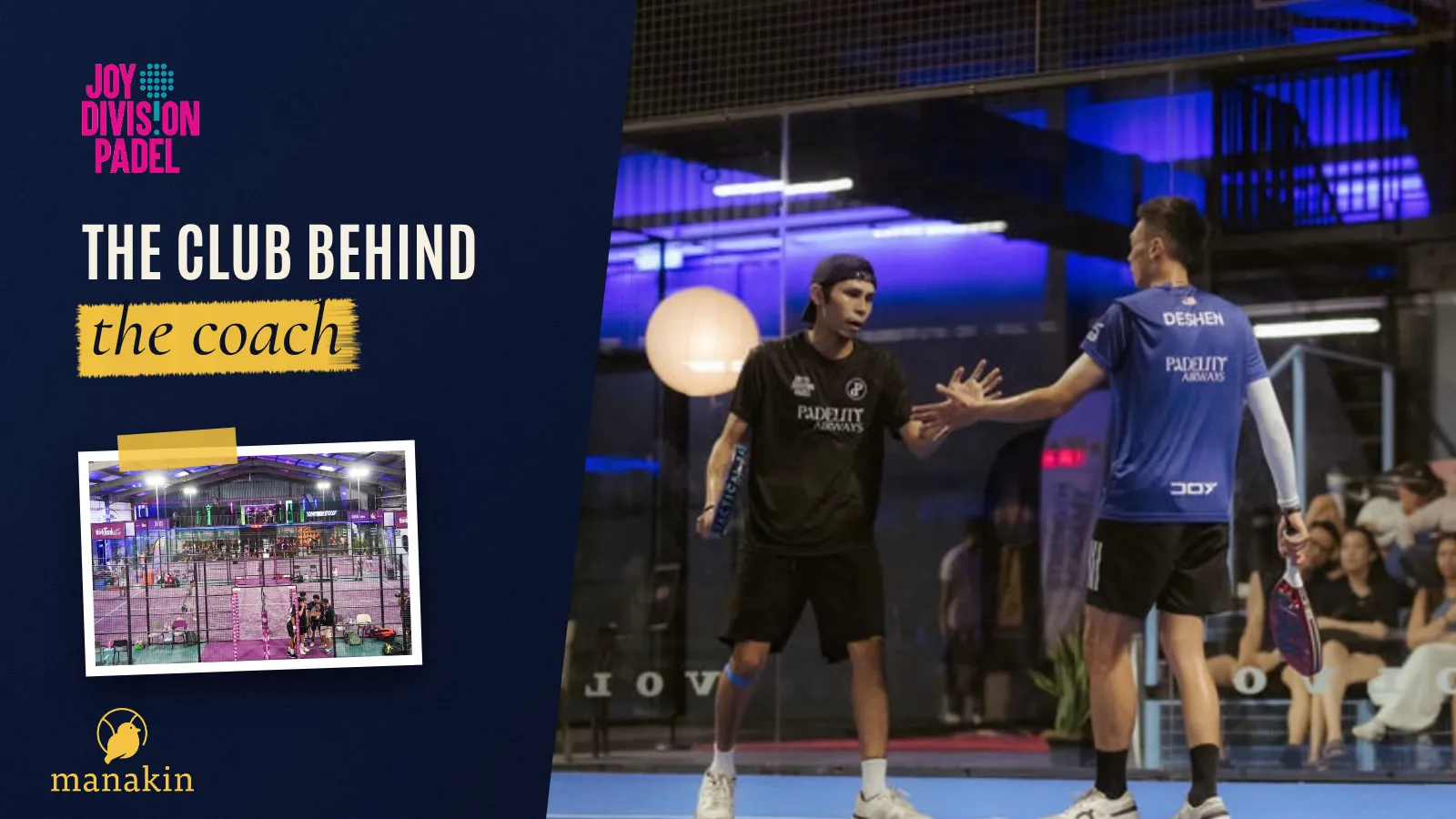
Joy Division Padel’s support helped Denzel move from managing the club to coaching in it.
Potential to Profession: Developing Padel Coaches
Denzel’s journey challenges the conventional perception that professional padel coaches must first establish themselves as competitive players. His progression from club operations to coaching demonstrates how practical experience, mentorship and formal education can collectively contribute to professional development.
For aspiring coaches, his story reinforces the importance of taking initiative, building relationships within the community and remaining committed to continuous learning. Technical ability alone does not define a good coach. Communication, adaptability and the ability to earn the trust of students are equally important in building a sustainable career.
For clubs, his progression highlights the value of recognising potential within existing teams and investing in their development. While retaining talent is important, a coach’s decision to pursue opportunities elsewhere should not necessarily be viewed as a loss. A stronger padel ecosystem requires clubs, academies and coaching professionals to work collectively, recognising that developing talent benefits the wider industry, even when individual career paths lead to different organisations.
We wish Denzel every success in Singapore and hope his journey encourages more aspiring coaches to pursue their ambitions, while inspiring clubs to continue investing in the next generation of coaching professionals.
Explore padel coaching opportunities with Manakin
Manakin links padel coaches with jobs and helps clubs find coaching talent in different markets. Whether you want to start coaching, look at roles abroad, or hire for your club, visit Manakin.
For regular updates on coaching positions, join the Manakin WhatsApp Channel.