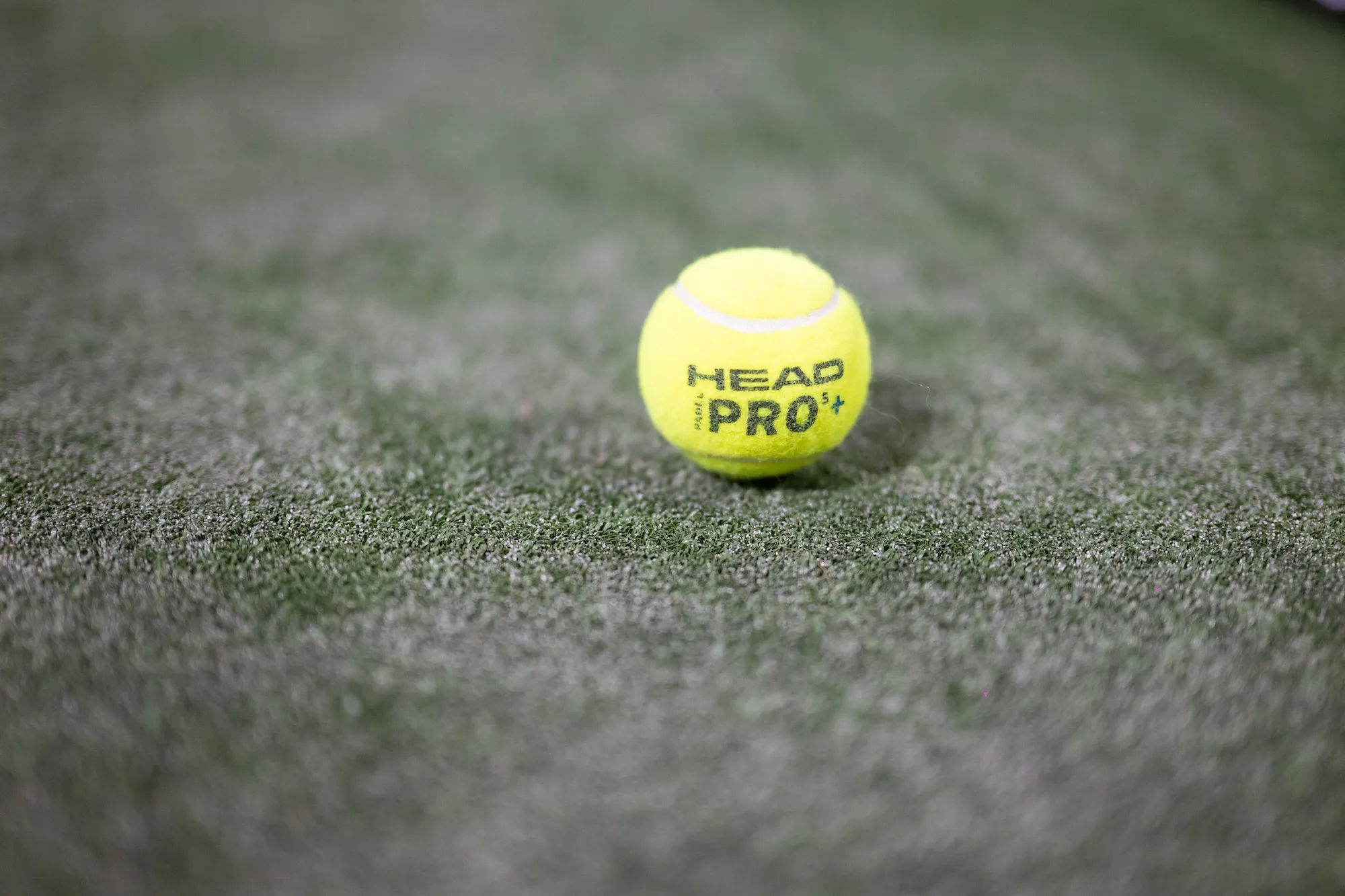
Padel’s historic debut at the Aichi-Nagoya 2026 Asian Games brought the sport to a wider Asian audience, with the first-ever Asian Games medals at stake. The competition delivered tense rallies, shifting momentum and comebacks that kept the path to the podium uncertain.
Alongside the players, the livestream brought another part of the game into focus: the coaches. Their instructions during changeovers, encouragement under pressure, and sideline reactions offered a glimpse into a role that extends far beyond what happens during a match. Behind those decisions are hours of preparation, relationships built with players, and an understanding of when to intervene, when to adjust, and when to let the players find their own way through.
The significance of coaching becomes even greater in developing padel markets. Many Asian nations are simultaneously trying to produce competitive players, establish pathways for younger talent, and build the coaching knowledge required to sustain that progress. The coaches behind the first Asian Games champions offer different examples of how that development can take shape.
Argentine expertise, Japanese leadership
Qatar and Japan’s gold medals highlight two different approaches to coaching and talent development in Asia. Argentine coach Pablo Sisti brings experience from one of padel’s traditional powerhouses into Qatar’s national setup, while Tomoaki “Tom Jack” Murasawa represents the emergence of coaching leadership from within Japan. With Japan’s padel history stretching back only 13 years, their respective journeys provide an interesting view of how imported experience and locally developed knowledge can contribute at different stages of a market’s growth.
Japan’s first padel court opened in Tokorozawa in October 2013, followed by the establishment of the Japan Padel Association in 2016. Murasawa has developed alongside that ecosystem, moving from tennis to padel, representing Japan as a player and later taking on coaching responsibilities across the men’s, women’s, and junior national teams.
His progression reflects a challenge that every young padel market will eventually face. International expertise can provide access to knowledge that does not yet exist domestically, but long-term development also requires players who become coaches and coaches who accumulate enough experience to lead within their own systems. Just 13 years after the sport arrived, Japan is beginning to show what that transition can look like.
Qatar approaches the same challenge from another direction through Sisti. His place within the national setup gives Qatari players access to experience shaped by Argentina’s much longer relationship with the sport, bringing knowledge from an established padel culture into a country developing its own competitive ambitions.
The contrast between Sisti and Murasawa captures two stages of the same process. Sisti represents established knowledge moving across borders, while Murasawa represents expertise beginning to grow from within a developing market. Emerging padel nations likely need both: international experience to accelerate development and local coaches to eventually carry that knowledge forward.
Japan reaching this point only 13 years after its first court opened makes that progression particularly relevant to the rest of Asia. Competitive results provide one measure of growth, but the emergence of people capable of coaching, leading and developing the sport locally may ultimately prove a more important indicator of how mature a market has become.
Beyond the first medals
For the players and coaches who leave Aichi-Nagoya with the first Asian Games padel gold medals, the result marks a historic achievement. It also arrives at an important point in the sport’s development, as padel continues to establish itself beyond its traditional strongholds and earn a place on increasingly significant international stages.
The ambition from here stretches further. Olympic inclusion remains one of the International Padel Federation’s strategic objectives, making the sport’s growing presence at major multi-sport events particularly significant. Padel has already appeared at the European Games and now the Asian Games, while its international competition calendar and network of national federations continue to expand.
Asia can play an important role in that next phase. Across the continent, padel markets are developing at very different speeds: some are building their first generation of competitive players, while others are establishing junior pathways, national programmes and a deeper pool of local coaching expertise. This makes the region fertile ground for growth, but also creates a need for people who understand that developing a sport requires more than increasing the number of courts and players.
For the coaching industry, the opportunity extends well beyond national teams. A growing player base requires more coaches, but sustainable development also depends on people capable of nurturing juniors, educating other coaches, establishing academies and introducing performance standards that can eventually be carried forward locally. The different coaching routes represented at these Asian Games demonstrate how those needs can vary considerably from one market to another.
This becomes particularly relevant as padel works towards its wider international ambitions. Building a genuinely global sport requires competitive depth beyond its established markets, supported by players, coaches and development structures across different regions. Asia’s scale, growing participation and relatively young padel ecosystems give the region considerable room to contribute to that expansion.
For coaches, this creates an opportunity not simply to follow the sport into new markets, but to participate in shaping them. Experienced coaches can bring knowledge into environments where it is still scarce, while the development of local coaches ensures that expertise can eventually remain and evolve within those markets. Both will be necessary if the current pace of growth is to translate into something sustainable.
The first Asian Games champions have now been crowned, and the players and coaches behind those victories deserve their place in the sport’s history. For Asian padel, their medals also mark a beginning: an indication of how far the sport has already travelled, and how much room remains for the people who will shape where it goes next.
Help shape padel’s next chapter
Looking to bring your coaching experience to a growing padel market? Manakin connects coaches with clubs looking for talent across Asia and beyond.